Blog

  • Low Water Pressure? 5 Common Causes (and Fixes)

    Low Water Pressure? 5 Common Causes (and Fixes)

    Weak shower pressure is one of the most common plumbing complaints in Guelph homes — and most causes have a straightforward fix.

    You turn on the shower and wait. The water trickles out like someone upstairs is pinching the hose. You fill a pot from the kitchen tap and it takes twice as long as it used to. Or every tap in the house has gone weak overnight, and you don’t know where to start. Low water pressure begins as an annoyance and quietly becomes a daily grind.

    I’m Roberto Luongo — licensed plumber with more than 25 years in the trade, former owner of Bosco Plumbing here in Guelph (sold in 2018), and now I work with homeowners through Residential Plumbing Consultants. In two-and-a-half decades of Guelph service calls, low water pressure comes up constantly — and it almost always traces back to one of five causes. This guide walks through each one, tells you whether it’s a DIY fix or a plumber call, and gives you the Guelph-specific context that most generic plumbing articles skip.

    Key Takeaways

    • Ontario’s Design Guidelines require municipal systems to maintain at least 140 kPa (20 psi) at ground level — but internal pipe problems, not the city’s supply, cause most Guelph pressure complaints (Government of Ontario).
    • Guelph’s water is among Canada’s hardest at 359–564 mg/L — aerator and showerhead clogging happens faster here than almost anywhere else in the country.
    • About 24% of Guelph’s homes were built before 1980, when galvanized pipes were standard. Those pipes are now 45–75+ years old and well past expected lifespan (Statistics Canada, 2021).
    • Causes 1 and 2 (shut-off valve and aerator) are DIY fixes you can handle today. Causes 3 and 4 (PRV failure and pipe corrosion) need a licensed plumber.
    • If your neighbours also have weak pressure, check with the City of Guelph before calling anyone — it may be a temporary supply issue.

    Before we get into causes: first figure out whether this is a single-fixture problem or a whole-house problem. One weak faucet or showerhead almost always points to cause 2 (clogged aerator). Weak pressure everywhere in the house points to causes 1, 3, 4, or 5. That one question narrows the diagnosis fast.

    What Counts as Low Water Pressure in a Home?

    Ontario’s Design Guidelines for Drinking Water Systems require municipal distribution systems to maintain a minimum of 140 kPa (20 psi) at ground level under peak demand, with normal operating pressure between 350 and 480 kPa (50–70 psi), according to the Government of Ontario. At your taps, anything below 40 psi starts to feel noticeably weak. Most homeowners notice the problem well before it hits that threshold — showering just feels off.

    You can confirm your pressure with a hose bib pressure gauge, available at any hardware store for around $15. Attach it to an outdoor spigot, open the tap fully, and read the result. Under 40 psi with no obvious upstream obstruction is a real pressure problem worth diagnosing methodically.

    One Guelph-specific point worth knowing upfront: the City’s distribution system is in good shape. According to the City of Guelph Water Services 2024 Annual Report, Guelph’s Infrastructure Leakage Index stands at 1.5 — approaching the theoretical minimum — meaning very little water is lost to municipal network leaks. In practice, your pressure problem is almost certainly internal to your home, not a city supply failure. That’s good news: internal problems are fixable.

    Cause 1: Partially Closed Shut-Off Valve (DIY Fix)

    Large industrial pipe valves and shut-off controls in a mechanical room, illustrating how a partially closed main valve restricts water pressure.
    A shut-off valve that’s only half-open looks identical to a fully open one — but it can cut your pressure by half.

    This is the first thing I check on any low-pressure call, because it’s the most common — and most easily overlooked — cause. Ontario building code requires at least two main shut-off valves in every home: one at the water meter (owned by the city) and one on the homeowner’s side of the meter. If either valve isn’t fully open, every tap in your house pays the price. The whole-house symptom is the giveaway.

    Find your main shut-off valve — usually located near where the water line enters the basement. Two common types: a ball valve has a lever handle that should run parallel to the pipe when fully open (perpendicular means closed); a gate valve looks like an outdoor spigot handle and needs to be turned fully counter-clockwise until it won’t go further. Either way, it should be completely open — not 80% open, not 90%. All the way.

    At Bosco, we got a call from a homeowner on Stevenson Street — pressure weak throughout the whole house, seemingly overnight. I expected a PRV issue or a partially blocked main. It turned out a plumber from another company had been there two weeks earlier to fix a drip under the kitchen sink. He’d turned the main shut-off halfway closed to reduce pressure while he worked, and didn’t reopen it fully when he left. Took me 30 seconds to fix. That’s a true story. Always check the valve first.

    If you’ve had city workers doing any work on your block recently, it’s also worth verifying the street-side valve at your water meter is fully reopened. You’ll need a meter key for that valve, but you can see whether it’s in the correct position through the meter cabinet lid.

    DIY fix: Turn the main shut-off valve fully open. Test pressure at a tap. Done in under five minutes.

    Cause 2: Clogged Aerator or Showerhead — Especially in Guelph (DIY Fix)

    A kitchen faucet running a thin stream of water, suggesting reduced flow from a clogged aerator screen or mineral buildup in the faucet tip.
    If pressure is low at one faucet but fine everywhere else, the aerator screen is almost always to blame — cleaning it takes three minutes.

    If your pressure problem is isolated to one or two fixtures, the cause is almost certainly mineral buildup clogging the aerator screen or the showerhead holes. The Water Quality Research Foundation found that hard water can reduce showerhead flow rate by up to 75% after just nine months of use (Water Quality Research Foundation, cited via Crystal Quest). In Guelph, that timeline is realistic — our water is classified as extreme hardness at 359–564 mg/L, among the highest of any Canadian municipality, according to WaterSmart Systems citing City of Guelph data.

    Chart: Guelph Water Hardness vs. Classification Standards (mg/L) — Source: WaterSmart Systems / City of Guelph (2024)
    Guelph Water Hardness vs. Classification Standards (mg/L) Soft water < 60 mg/L Moderately hard 120 mg/L Hard 180 mg/L Very hard (threshold) 180 mg/L Guelph (minimum) 359 mg/L Guelph (maximum) 564 mg/L Source: WaterSmart Systems / City of Guelph (2024) — watersmartsystems.com

    The aerator is the small threaded screen screwed onto the tip of your faucet. It mixes air into the water stream and filters particles — but in Guelph’s hard water, calcium and magnesium carbonate deposits coat those mesh holes within months, not years. The fix: unscrew the aerator by hand or with pliers wrapped in a cloth, drop it in a cup of white vinegar overnight, rinse it thoroughly, and reinstall. Replacement aerators cost $5–15 at any hardware store if the screen is corroded through.

    For showerheads, the same approach works. Remove the showerhead, submerge it in white vinegar for two hours to overnight, scrub with an old toothbrush, and rinse. If you’d rather not remove it, fill a plastic bag with vinegar, secure it around the showerhead so the face is submerged, and leave it for two hours.

    Here’s something most plumbing guides skip: Guelph’s hard water hits hot water lines significantly harder than cold ones. When hard water heats up, dissolved minerals precipitate out faster and deposit inside your hot water pipes, water heater, and hot-side fittings. If your hot water pressure is noticeably weaker than cold at the same fixture, scale buildup inside the hot supply line — not just the aerator — is the likely reason. That’s a conversation for a plumber, not a vinegar soak.

    DIY fix: Soak the aerator or showerhead in white vinegar. Cost: $0–$15. Time: 30 minutes active work plus an overnight soak if needed.

    Cause 3: Failing Pressure Regulator (PRV) — Call a Plumber

    Many Guelph homes have a pressure reducing valve (PRV) installed where the water main enters the house. The Canadian Plumbing Code requires a PRV wherever municipal supply pressure exceeds 60 psi (413 kPa), according to Plumbing Online Canada. The PRV steps incoming pressure down to a safe household level — typically 50–65 psi — that your fixtures, pipes, and appliances can handle long-term without damage.

    PRVs typically last 10–15 years. When one starts failing, it can go one of two ways: it sticks partially closed, which drops your pressure dramatically across the whole house; or it loses regulation entirely and lets dangerously high pressure through, which damages appliances and fittings. Both are problems — but the low-pressure failure mode is more common and easier to notice before it causes secondary damage.

    Symptoms of a failing PRV: pressure that dropped suddenly rather than gradually, pressure that fluctuates between strong and weak depending on the time of day, or water hammer (banging sounds in the pipes) that wasn’t there before. A plumber can test the PRV in minutes with a pressure gauge at the main. If it’s failed, replacement in Ontario costs $325–$455 on average, including labour, according to DrPipe.ca’s 2025 Ontario plumbing cost estimates. It’s roughly a one-hour job for an experienced plumber and a well-defined repair.

    Don’t attempt a PRV replacement yourself. Working on the main water supply line in Ontario requires a licensed plumber, and setting the replacement pressure incorrectly can damage dishwashers, washing machines, water heater inlet valves, and supply line fittings throughout the house.

    When to call: Pressure dropped suddenly across the whole house, or you’re in an older home and can’t recall anyone ever touching the PRV. Have a plumber test before replacing anything.

    Cause 4: Corroded Pipes in Older Guelph Homes — Call a Plumber

    Corroded and rusty metal pipes with heavy oxidation and scale buildup, representing the condition of aging galvanized steel supply pipes in older Guelph homes.
    Galvanized pipes corrode from the inside out — the exterior looks fine while the bore slowly closes off over decades.

    According to Statistics Canada’s 2021 Census, approximately 24% of Guelph’s dwellings were built before 1980 — tens of thousands of homes in neighbourhoods like Exhibition Park, Riverside Park, Two Rivers, St. Patrick’s Ward, and The Ward. Homes built before 1980 were typically plumbed with galvanized steel supply pipes. Galvanized steel’s expected lifespan is 40–70 years. Any pre-1980 Guelph home with original plumbing is now carrying pipe that’s at or past the end of its designed service life.

    Galvanized pipes corrode from the inside out. The zinc coating that prevents rusting depletes over decades, and then iron oxide — rust — builds up on the interior pipe wall. That accumulation progressively narrows the bore, restricting flow the same way a blocked artery restricts blood. The exterior of the pipe can look completely intact. You wouldn’t know by looking from the outside.

    Chart: Expected Lifespan of Home Plumbing Materials — Source: InterNACHI / industry standards
    Expected Lifespan of Home Plumbing Materials Pressure regulator (PRV) 10–15 yrs Galvanized steel pipes 40–70 yrs Copper pipes 50–70 yrs Cast iron pipes 75–100 yrs PEX (modern replacement) 50–100+ yrs Source: InterNACHI (nachi.org/life-expectancy.htm) / industry standards

    In Guelph, corroded galvanized pipes present a compounding problem I rarely see spelled out clearly. You’ve got rust narrowing the bore, and simultaneously Guelph’s extreme hard water depositing calcium and magnesium scale on top of the corrosion. I’ve cut open galvanized sections from Guelph homes built in the 1960s where the original 3/4-inch pipe had an effective bore of less than 3/8-inch — under half the original flow capacity. That alone will make your shower feel like it’s breathing its last, and no amount of aerator cleaning will fix it.

    Signs your pipes may be corroded: pressure that’s declined slowly over several years rather than suddenly; brownish or rust-coloured water when you first open a tap after a period of non-use; pressure is noticeably worse at the back of the house than near the meter; or you live in a pre-1980 home and nobody has inspected the pipes in a decade.

    Replacing galvanized supply lines in Ontario costs roughly $1,500–$15,000+ depending on how much of the system needs replacing, pipe accessibility, and whether walls need to be opened, according to DrPipe.ca. Modern PEX piping is the most common replacement material — flexible, frost-resistant, and rated for 50–100+ years. It’s not cheap, but it solves the pressure problem permanently and improves water quality at the same time.

    When to call: Pressure has been declining gradually over years in a pre-1980 home. Ask a plumber for a pipe inspection before slow pressure loss becomes a water quality problem too.

    Cause 5: Municipal Supply Issue — Check with Your Neighbours First

    Water flowing strongly from a damaged gray water supply pipe outdoors, illustrating a municipal main break that can temporarily affect residential water pressure.
    A broken water main is rarely the cause of low pressure in Guelph — but it’s worth ruling out with one question to a neighbour before calling anyone.

    If pressure drops suddenly across your whole house and the shut-off valve is fully open, there’s a fifth possibility worth ruling out before you call a plumber: a temporary issue with the City’s water supply. According to a 2024 ASCE study of North American water infrastructure, Canada and the U.S. experience roughly 260,000 water main breaks annually, at a cost of approximately $2.6 billion in repairs. Even a well-maintained system isn’t immune to a break or a planned maintenance shutdown.

    The diagnostic here is simple: knock on a neighbour’s door and ask if they’re having the same issue. If they are, it’s a city supply problem — call 311 (Guelph’s non-emergency city line) to report it, or check the City of Guelph’s website for service alerts. If you’re the only one affected, the problem is internal to your home and you work through causes 1–4.

    City supply disruptions in Guelph are typically resolved within hours to a day. Guelph’s 2024 Water Services Report notes the municipal system’s Infrastructure Leakage Index of 1.5 means breaks are detected and isolated quickly. In more than two decades of Guelph service calls, I’ve seen municipal supply issues cause residential pressure problems only a handful of times. It happens — but it’s the least likely cause on this list.

    No-cost check: Ask a neighbour. If they’re affected too, call 311. If you’re the only one, look inward.

    When Should You Call a Plumber for Low Water Pressure?

    A diagnostic visit from a Guelph plumber runs roughly $79–$150, according to HomeStars Canada’s 2025 plumbing cost guide — and that’s money well spent when the alternative is replacing the wrong thing. Call a licensed plumber when:

    • Pressure dropped suddenly across the whole house and your neighbours aren’t affected — likely a PRV failure or a burst internal supply line.
    • You’ve cleaned the aerators, checked the shut-off valve, and called 311 — and pressure is still weak. Something upstream is the problem.
    • Your home was built before 1980 and pressure has been declining slowly over years — galvanized pipe corrosion is the probable diagnosis and a visual inspection will confirm it quickly.
    • Pressure fluctuates wildly — strong one moment, weak the next — which is a classic PRV symptom that needs professional testing to confirm.
    • You see rust-coloured water alongside low pressure — corroded pipe is actively shedding into your supply and that diagnosis shouldn’t wait.

    Still dealing with weak pressure? If you’ve worked through causes 1 and 2 and the problem persists, it’s time for a professional diagnosis. Find a trusted Guelph plumber who’ll assess your system and give you a clear repair quote before any work begins.

    Frequently Asked Questions

    Why is my water pressure low only in the shower?

    Isolated low pressure in one shower almost always means a clogged showerhead. In Guelph, where water hardness reaches 359–564 mg/L, mineral deposits can reduce showerhead flow by up to 75% within nine months (Water Quality Research Foundation). Remove the showerhead, soak it in white vinegar for two hours, scrub and rinse. If it’s heavily corroded, a replacement showerhead costs $20–$60 at any hardware store and installs in ten minutes.

    Can low water pressure damage my appliances?

    The more common appliance risk is the opposite problem. If your PRV has failed and stopped regulating pressure from the municipal supply, high pressure can damage dishwashers, washing machines, water heaters, and supply line fittings. Most household appliances are rated to 80 psi. Above that, inlet valves and supply hoses fail prematurely. If your pressure gauge reads over 80 psi, call a plumber to test the PRV before anything bursts.

    My water pressure is fine in the morning but weak by evening — what’s causing that?

    Pressure that fluctuates by time of day usually points to either a struggling PRV or peak-demand pressure drops from the municipal supply. In Guelph’s older neighbourhoods, a partially corroded main supply line can also deliver adequate flow under low demand and fall short when multiple fixtures run simultaneously. A plumber can measure pressure at different times of day to separate these causes cleanly.

    How much does fixing low water pressure cost in Guelph?

    It depends entirely on the cause. Cleaning an aerator costs $0–$15 and is a DIY job. Replacing a pressure regulator (PRV) runs $325–$455 including labour in Ontario (DrPipe.ca, 2025). Repairing or replacing corroded galvanized pipes ranges from $250 for a short accessible section to $15,000+ for a full supply-side repipe in a larger pre-1980 home.

    Does Guelph’s hard water cause low water pressure?

    Yes — in two distinct ways. Mineral scale builds up inside aerators, showerheads, and fixture supply connections, restricting flow at individual fixtures. Over longer time frames — particularly in hot water lines — scale accumulates inside the pipes themselves, progressively narrowing the effective bore and reducing whole-house flow capacity. Guelph’s 359–564 mg/L hardness makes both processes faster and more severe than in most Ontario cities.

    The Bottom Line on Low Water Pressure in Guelph

    Low water pressure in a Guelph home almost always comes down to one of five causes — and two of them you can fix yourself in under an hour. Start with the shut-off valve, then clean your aerators and showerheads. If pressure is still weak, you’re looking at a PRV issue or corroded galvanized pipes — both of which need a licensed plumber to diagnose and fix properly.

    Guelph’s combination of older housing stock and some of Canada’s hardest water makes pressure problems more common here than in most Ontario cities. If you’re in a pre-1980 home and have never had the pipes inspected, it’s worth doing before you face a more serious problem. A pipe that’s been slowly corroding for 50 years doesn’t typically fail gradually — it tends to fail suddenly, on the coldest week of the year.

    If you’re dealing with other plumbing issues alongside the pressure problem, see our guide on common plumbing problems homeowners can fix themselves. And if you’re also without hot water, start with our no hot water checklist before calling anyone.

    If you need a professional to look at your water pressure, find a trusted Guelph plumber here — someone who’ll diagnose it accurately and give you a clear answer before recommending any repair.

    By Roberto Luongo, Licensed Plumber, Former Owner of Bosco Plumbing
  • No Hot Water? Here’s What to Check First

    No Hot Water? Here’s What to Check First

    Knowing what to check first can save you hours — and hundreds of dollars.

    It’s 6:15 in the morning. You step into the shower, expecting hot water, and get a blast of cold instead. Maybe you yelp. Maybe you just stand there, betrayed. Either way, your day is off to a rough start.

    I’m Roberto Luongo — licensed plumber with 25-plus years in the trade, former owner of Bosco Plumbing here in Guelph (sold in 2018), and now I advise homeowners through Residential Plumbing Consultants. I’ve responded to hundreds of “no hot water” calls over the years. A good chunk of them were fixed in under 30 minutes without a service bill.

    This guide walks you through exactly what to check, in the right order. We’ll cover gas and electric heaters, Guelph-specific issues like our notoriously hard water, Ontario rental units, and when repair stops making financial sense.

    Key Takeaways

    • Start with the simple stuff: a tripped breaker or a dead pilot light causes most cold-water emergencies.
    • Guelph’s water is among Canada’s hardest (359–564 mg/L), so your heater needs flushing every 12–18 months — not the national guideline of 3–5 years.
    • If your unit is rented through Enercare or Reliance, call them, not a plumber — it’s their equipment to fix.
    • The “50% rule”: if a repair costs more than half the price of a new unit, replace it. Ontario tank replacement runs $1,600–$2,800 in 2026 (Go Lime Ontario).
    • Marginal heaters often fail in January — Guelph’s incoming cold water drops to 4–7°C in winter, which pushes struggling units over the edge.

    For ongoing water heater maintenance beyond emergency fixes, see our guide on common plumbing issues homeowners can fix themselves.

    Is Your Water Heater Actually the Problem?

    Before you assume your water heater is dead, rule out two faster fixes. According to InterNACHI, conventional tank water heaters last 6–12 years on average — but a unit that’s three years old shouldn’t just die on a Tuesday morning without a reason. A closed shutoff valve or a frozen supply line can mimic a failed heater perfectly.

    Check the cold-water shutoff valve on the pipe feeding your water heater. It should be fully open — handle parallel to the pipe for ball valves, or fully counter-clockwise for gate valves. If someone did plumbing work recently and didn’t reopen it all the way, that’s your culprit right there.

    Next, confirm the problem is your whole house, not just one tap. Run the hot water at two or three different fixtures. If one runs lukewarm and another runs cold, you might have a mixing valve issue at a fixture rather than a water heater failure. That’s a much cheaper fix.

    Once you’ve confirmed the heater is the issue, the diagnostic path splits cleanly: gas or electric. The checks are completely different, so knowing which type you have is step one.

    How Do You Check a Gas Water Heater Pilot Light?

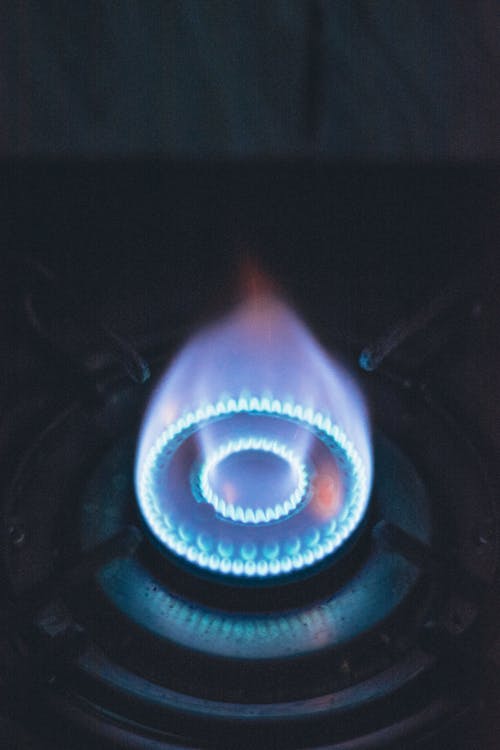
    A small blue pilot light flame burning on a gas appliance, similar to a gas water heater's ignition system.
    A pilot light that won’t stay lit usually points to a failing thermocouple — a $20–40 part, not a whole new heater.

    A dead pilot light is the single most common reason a gas water heater stops producing hot water. According to Alpine Intel’s analysis of StrikeCheck data (2022), wear and tear accounts for 27% of all water heater failures — and thermocouple failure is one of the most frequent wear items on gas units. The good news: relighting a pilot is something most homeowners can do safely in five minutes.

    Here’s the process. First, locate the gas valve on the front of your heater. Turn it to the “PILOT” position. Press and hold the red reset button (or the gas valve knob itself, depending on the model) and simultaneously press the igniter button repeatedly until you see a small blue flame at the pilot burner tube. Hold that button for 30–60 seconds after the flame appears. Then release slowly and turn the valve to “ON.”

    If the pilot lights but won’t stay lit after you release the button, that’s a thermocouple problem. The thermocouple is a small metal probe that sits in the pilot flame. It generates a tiny electrical signal that tells the gas valve the flame is real. When it wears out, the valve shuts off gas as a safety measure. Replacement parts cost $20–40 at any hardware store, and a plumber can swap one in under an hour.

    Here’s a story I still tell. Back at Bosco, we got a call from a family on Kortright Road — no hot water, middle of February, three kids under ten. I drove out expecting something serious. The pilot was out. I relit it, waited to confirm the thermocouple was holding the flame, and it died again. Classic failing thermocouple. I had a replacement on the truck. Twenty minutes later, hot water. The homeowner looked at me like I’d performed surgery. The whole job was a $65 service call. She’d been heating water on the stove for her kids’ baths for two days.

    Here’s the insider distinction most articles skip. If the pilot lights and stays lit but the main burner won’t ignite, that points to the gas valve itself — not the thermocouple. Gas valves are $150–400 in parts alone. At that cost, I often recommend weighing repair against replacement, especially if the unit is 8 or more years old. Don’t let a technician replace a gas valve on a 12-year-old heater without having that conversation first.

    How Do You Reset an Electric Water Heater’s Breaker?

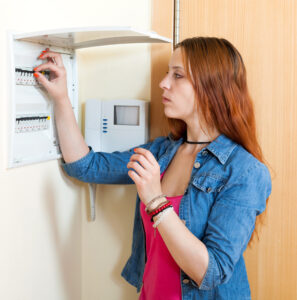
    Your water heater breaker is usually a double-pole 30 or 40-amp breaker — look for a breaker labelled “Water Heater” or “HWT.” If you are not comfortable with electrical panels, the plumber will know how to turn this off and troubleshoot. 

    Electric water heaters account for roughly 48.4% of Canadian residential units, according to Natural Resources Canada (2020). When one goes cold, the first check is always the breaker panel. Electric heaters draw significant amperage, and a power surge or faulty element can trip the breaker instantly — no warning, no noise.

    Find your main electrical panel, usually in the basement or utility room. Look for a double-pole 30-amp breaker labelled “Water Heater” or “HWT.” A tripped breaker sits in the middle position — not fully on, not fully off. Push it firmly to the OFF position first, then flip it back to ON.

    Wait 30–60 minutes before testing the hot water. Electric elements take time to reheat a full tank. If the breaker trips again immediately, stop. Do not reset it a second time — call a licensed electrician. A breaker that keeps tripping means the heating element has likely shorted, the thermostat has failed, or — worst case — there’s a wiring problem. Repeatedly resetting a tripping breaker risks a fire.

    Electric heaters also have a high-limit reset button, sometimes called a thermal cutout, on the upper thermostat behind an access panel on the side of the tank. If the breaker is fine but there’s still no hot water, press that button firmly. You should feel and hear a small click. This is a separate safety device and it trips independently of the breaker.

    Could Sediment Be Choking Your Water Heater?

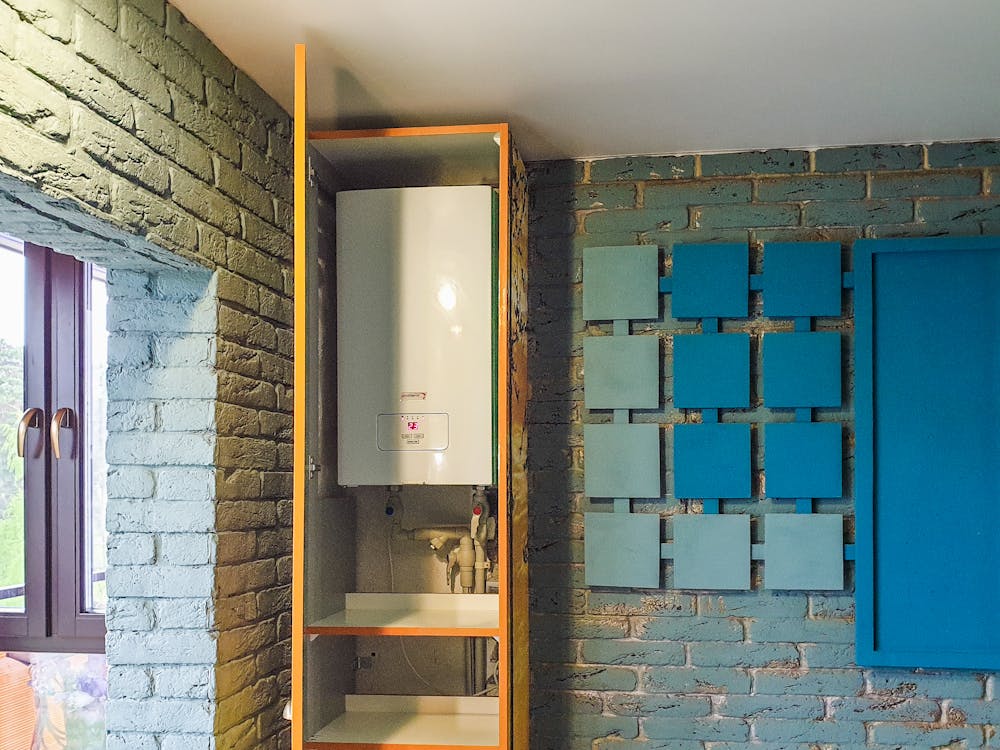
    A residential hot water tank in a utility room, showing typical tank-style water heater installation with pipes and a pressure relief valve.
    Sediment collects at the bottom of tank heaters over time — in Guelph’s hard water, this process is significantly faster than the national average.

    Guelph’s water hardness sits at 359–564 mg/L (21–33 GPG) — classified as “extremely high” and among the hardest municipal supplies in Canada, according to Quinn Water Systems citing City of Guelph data (June 2024). Roughly 90% of Guelph’s water supply comes from groundwater, which picks up calcium and magnesium as it moves through limestone. Every litre that passes through your water heater leaves a small mineral deposit behind.

    Over time, that sediment forms a thick layer at the bottom of the tank. On gas heaters, it insulates the water from the burner, so the unit runs longer to reach temperature — and eventually can’t keep up at all. On electric heaters, sediment buries the lower element, causing it to overheat and fail prematurely. You’ll often hear a rumbling or popping sound before performance drops noticeably.

    The national guideline says flush your tank every 3–5 years. In Guelph, I recommend every 12–18 months. That’s not me being cautious — it’s what the hardness numbers demand. I’ve pulled tanks out of Guelph homes that looked like the inside of a kettle after just four years without flushing. The sediment layer was over two inches thick.

    To flush the tank yourself: turn the thermostat to “pilot” or off, connect a garden hose to the drain valve at the base of the tank, run the hose to a floor drain or outside, open a hot water tap somewhere in the house to let air in, and open the drain valve. Let it run until the water runs clear. The whole job takes 30–45 minutes.

    One more Guelph-specific issue worth knowing: dip tube failure. The dip tube is a plastic pipe inside the tank that directs cold incoming water to the bottom, keeping it separate from the hot water at the top. In heaters roughly 8–15 years old, this tube can crack or disintegrate. When it does, cold water mixes directly into the hot water at the top of the tank. The result is consistently lukewarm water — not stone cold, just never hot enough. Many homeowners assume it’s a failing element or thermostat and spend money on the wrong fix.

    Is Your Water Heater Rented? Ontario Homeowners, Read This First

    Water heating accounts for 19.3% of energy use in the average Canadian home — the second-largest consumer after space heating, according to Natural Resources Canada. That explains why rental programs from providers like Enercare and Reliance have been so popular in Ontario for decades. If you’re renting your water heater, the repair and replacement process is completely different — and this is where a lot of homeowners waste money calling a plumber unnecessarily.

    Check your utility bill or the sticker on your water heater. If you see a monthly rental charge from Enercare or Reliance (typically $22–55/month for a tank, $40–98/month for tankless in 2026, per current Enercare and Reliance pricing), the unit belongs to them. Call their customer service line, not a plumber. They are contractually obligated to repair or replace the unit. Calling a plumber to fix rented equipment can also void your rental agreement.

    Are you a tenant, not a homeowner? Under the Ontario Residential Tenancies Act, landlords are required to maintain rental units in a good state of repair — and that includes hot water supply. If you’re renting your home and the landlord owns the water heater, they must repair it promptly. Document your request in writing (text or email). If they don’t act within a reasonable timeframe, you can file a T6 maintenance application with the Landlord and Tenant Board.

    Average Water Heater Lifespan by Type — Source: InterNACHI
    Average Water Heater Lifespan by Type 0 5 yrs 10 yrs 15 yrs 20 yrs Conventional Tank 10 years Heat Pump Hybrid 14 years Tankless 17.5 years

    Source: InterNACHI — nachi.org/life-expectancy.htm

    The industry standard for this decision is called the 50% rule: if the estimated repair cost exceeds 50% of the replacement cost of a comparable new unit, replace it. According to Go Lime Ontario (2026), Ontario replacement costs are roughly $1,600–$2,400 for an electric tank, $1,800–$2,800 for a gas tank, and $3,900–$6,500 for a tankless unit. So if you’re looking at a $900 repair on a 10-year-old gas tank, the math says replace it.

    Water Heater Replacement Cost in Ontario (2026)
    Water Heater Replacement Cost in Ontario (2026) — Source: Go Lime Ontario
    Water Heater Replacement Cost in Ontario (2026) $0 $2K $4K $6K $8K Electric Tank $1,600–$2,400 Gas Tank $1,800–$2,800 Tankless $3,900–$6,500

    Age matters too. A unit under 6 years old is worth repairing unless the tank itself is leaking — a leaking tank is always a replacement, never a repair. Units over 10 years old are candidates for replacement on any significant repair. According to Alpine Intel citing IBHS data, 69% of water heater failures involve a slow leak or sudden burst, and the average water damage claim from a water heater failure runs $4,444. That’s a powerful argument for not delaying a replacement on a unit that’s clearly declining.

    Here’s the Guelph seasonal reality: January is when marginal water heaters fail. Cold water entering your home from the groundwater supply drops to 4–7°C in winter, compared to roughly 18°C in July. Your heater has to work much harder to hit the standard 49°C (120°F) setpoint. A unit that’s been limping along with sediment buildup, a weak element, or a partially failed thermostat often holds on through autumn — then gives up in the coldest week of the year. If your heater is showing signs of age, address it before November.

    On energy efficiency: if you’re replacing anyway, it’s worth knowing that an ENERGY STAR certified tankless unit saves roughly 30% on water heating costs compared to a conventional tank, and a heat pump water heater saves up to 50% compared to a standard electric tank, according to Natural Resources Canada. Water heating is 19.3% of a Canadian home’s energy budget — so those savings add up quickly over a 15–20 year lifespan.

    Frequently Asked Questions

    How long does it take for a water heater to reheat after running out?

    A standard 40–60 gallon gas tank typically reheats in 30–40 minutes. Electric tanks take longer — usually 60–80 minutes for a full recovery. Tankless units produce hot water on demand with no recovery time, which is one of their biggest practical advantages in a busy household. If your tank is taking significantly longer than these benchmarks, sediment buildup or a failing element is slowing it down.

    Why is my water lukewarm instead of fully cold or hot?

    Consistently lukewarm water — not stone cold, just never quite hot — is the signature symptom of a failed dip tube. It’s a plastic pipe inside the tank that keeps cold incoming water at the bottom. When it breaks down (common in units 8–15 years old), cold water mixes into the hot water at the top. It’s often misdiagnosed as a thermostat problem. A plumber can confirm it quickly and replacement parts are inexpensive.

    Is it safe to leave a tripped water heater breaker off overnight?

    Yes — leaving the breaker off is the safest choice if it keeps tripping. A breaker that trips repeatedly is telling you something is wrong with the circuit or the heater itself. You can use cold water safely overnight. What’s not safe is repeatedly resetting a breaker that keeps failing, as that risks overheating the wiring. Call a licensed electrician or plumber the next morning to diagnose the problem properly.

    Should I flush my water heater myself or hire a plumber?

    Most homeowners can flush a tank heater themselves — it’s a straightforward 30–45 minute job with a garden hose and a floor drain. The exception is a heater that hasn’t been flushed in 5-plus years. Heavy sediment can clog the drain valve and leave it stuck partially open. If that happens mid-flush, you’ll need a plumber to sort it out. In Guelph’s hard water, flushing every 12–18 months keeps the process simple and the valve working freely.

    What does it mean if my water smells like rotten eggs when I run hot water?

    That sulfur smell usually means bacteria have colonized the tank, often after a period of low use or if the temperature has been set too low (below 49°C). It can also result from the sacrificial anode rod reacting with Guelph’s hard water. The fix is usually a full tank flush, followed by a disinfection cycle at higher temperature. If the smell persists, the anode rod may need replacing. Don’t ignore it — the smell indicates bacterial growth in your water supply.

    The Bottom Line

    Most “no hot water” emergencies have a straightforward explanation. Work through the checklist in order: shutoff valve, pilot light or breaker, high-limit reset, sediment buildup. Check whether your unit is rented before calling anyone. If you’ve done all that and still have cold water, the unit likely needs a professional diagnosis.

    If your heater is over 10 years old and showing any of the warning signs we’ve covered — slow recovery, rumbling sounds, lukewarm output, or visible rust near the base — don’t wait for a full failure. A burst water heater causes an average of $4,444 in water damage, per Alpine Intel citing IBHS research. A planned replacement is always cheaper than an emergency one plus a flood cleanup bill.

    In Guelph especially, our hard water is a real factor. Flush annually, check the anode rod every few years, and know where your shutoff valve is before you need it in a hurry. Small habits protect big investments.

    And if you’re facing a basement flooding emergency along with water heater issues, here’s what to do when your basement is flooding.

    If you’re also dealing with a clogged drain that’s slowing down your ability to flush the system, here’s how to unclog a drain without calling a plumber.

    Still no hot water? If you’ve worked through this checklist and your water heater still isn’t cooperating, it’s time to call in a licensed plumber. Find a trusted Guelph plumber who can diagnose and fix the problem the same day.

  • What to Do When Your Basement Is Flooding

    What to Do When Your Basement Is Flooding

    I’ve been in basements that looked like swimming pools. I’ve taken calls at 11pm from homeowners standing ankle-deep in water, panicking, not sure what to do first. After more than twenty years running Bosco Plumbing in Guelph, I’ve seen what this kind of damage does — to a home, to a wallet, and to a family’s peace of mind. Water damage insurance claims from external flooding nearly doubled in Canada in 2025, up 94% over the previous year (Allstate Canada / GlobeNewswire, 2026). If your basement is flooding right now, or you want to make sure it never does, this guide is for you.

    Key Takeaways

    • Cut the power before you step into standing water. Always.
    • Mold begins growing within 24-48 hours of a flood (EPA). Speed matters more than most homeowners realize.
    • The average water damage insurance claim in Canada is $23,550 (Canadian Underwriter). Prevention costs a fraction of that.
    • Guelph’s Speed River and spring snowmelt create specific local risks that most generic advice ignores.


    What Should You Do First When Your Basement Is Flooding?

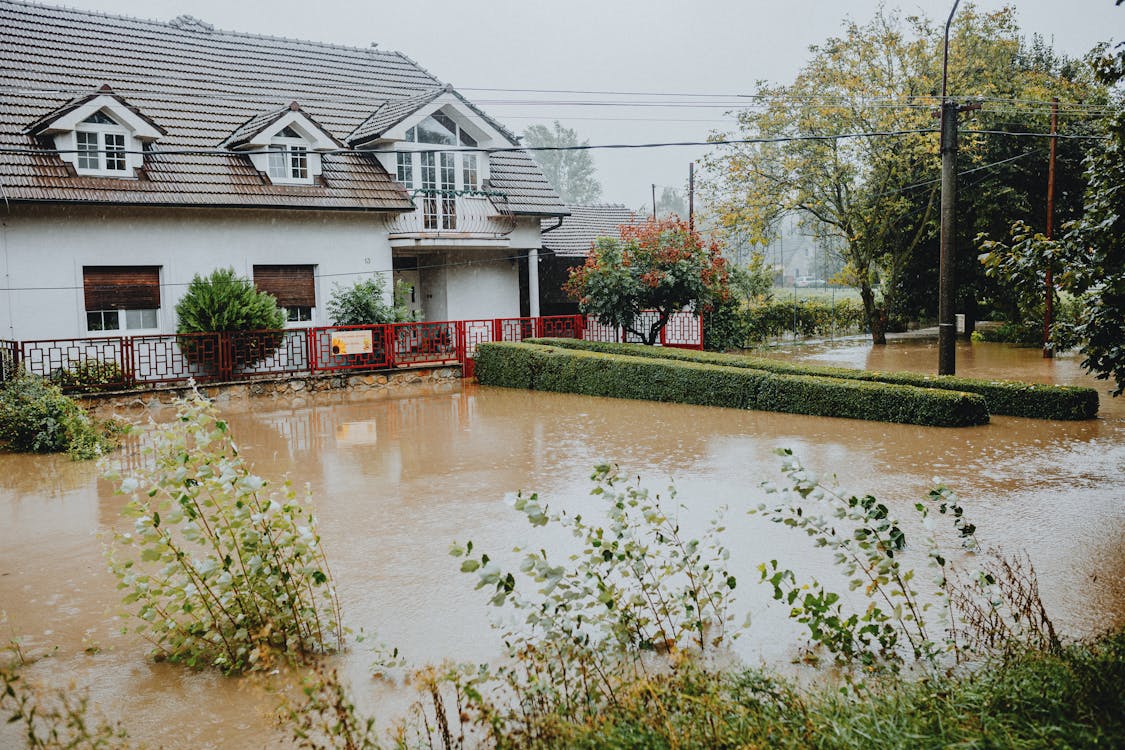
    Interior of a water-damaged basement room with standing water on the floor and peeling walls showing signs of water intrusion

    The wrong move in the first five minutes can cost you thousands — or worse, put you in serious danger. One in 10 Canadian homeowners has experienced basement flooding (Allstate Canada / Léger Research, 2025), and a huge number of them make the same preventable mistakes in those first moments. Here’s what to do, in order.

    Step 1 – Cut the Power

    Don’t walk into that water until the power is off. I mean it. Water conducts electricity. A submerged outlet, a plugged-in appliance, or a malfunctioning sump pump can turn standing water into a lethal hazard in seconds. Go to your electrical panel — usually at the top of the basement stairs or in a utility room — and kill the circuit breakers for the basement. If your panel is already in the flooded area, do not go in. Call your utility provider and ask them to shut off power at the meter.

    Step 2 – Find the Source

    Once the power is off, figure out where the water is coming from. This changes everything about how you respond. Is it clear water coming fast? Likely a burst pipe or supply line. Is it coming up from the floor drain or toilet? That’s a sewer backup — keep your distance, it’s a biohazard. Is it seeping in through the walls or window wells? You’re likely dealing with surface water or a failed sump system.

    Don’t guess. Walk the perimeter. Check the floor drain. Look at your sump pit. The source determines the fix.

    Step 3 – Shut Off the Water (If It’s a Pipe)

    If the flooding is coming from a burst or leaking pipe, shut off the main water supply immediately. In most Guelph homes, the main shutoff is near where the water line enters the house, typically in the utility room close to the water meter. Turn it clockwise until it stops. Know where this valve is before you ever need it. I’ve seen homeowners lose 30 minutes of precious time just looking for it.

    Step 4 – Move What You Can, Fast

    Get valuables, documents, electronics, and furniture off the floor. Don’t try to vacuum or mop yet — that comes later. Right now you’re just limiting losses. If boxes are already wet, move them somewhere dry and elevated. Water spreads faster than you think, especially on concrete with a slight grade.

    Step 5 – Call a Licensed Plumber

    This is the step most people delay. They think they can manage it themselves with a shop-vac. Sometimes they can. But if the source is a sewer backup, a broken pipe, or a failed sump system, you need a licensed plumber on site — not YouTube.Find a licensed emergency plumber in Guelph 

    From the Bosco files:

    Spring 2014. Wet March, fast melt, and the Speed River was running high. I got a call around 7pm from a homeowner on Clair Road — water was coming in fast and she’d already started bailing with a shop-vac. By the time we got there, she’d been running that vac for two hours and the water level had barely dropped. The sump pump had cut out during a brief power flicker earlier in the afternoon and never restarted. The float switch had stuck. Two hours of shop-vac effort, and she’d moved maybe 40 gallons. The pump, once we reset it, cleared the same volume in under four minutes. The delay cost her a finished rec room. Get to the source first. Always.


    What Are the Most Common Causes of Basement Flooding in Guelph?

    Water damage now makes up more than 40% of all home insurance claims in Canada between 2021 and 2025, with external flooding alone jumping 94% in a single year (Allstate Canada / GlobeNewswire, 2026). In Guelph specifically, local geography and aging infrastructure create a set of risks that don’t always show up in generic plumbing guides. Here’s what I’ve seen most often.

    Sump Pump Failure

    The average sump pump lasts about 10 years, and power outages account for roughly 40% of failures (City of Ann Arbor Engineering). The cruel irony: sump pumps fail most often during the exact storms that produce the most runoff. If your pump is over eight years old and you haven’t tested it this spring, that’s a real risk. A stuck float switch, a burned-out motor, or a tripped breaker can turn a manageable situation into a full basement flood in under an hour.

    Sewer Backup

    Sewer backup is the number-one source of home insurance claims in Canada, with repair costs ranging from $2,000 to $10,000 per event (Institute for Catastrophic Loss Reduction, ICLR). During heavy rain, Guelph’s combined sewer system can get overwhelmed, pushing sewage back up through floor drains and toilets. Older neighbourhoods near the downtown core are especially vulnerable. If you smell sewage or see dark water coming up from floor drains, don’t touch it and don’t try to clean it yourself.

    Burst or Frozen Pipes

    Our winters are real in Guelph. Pipes that run along exterior walls, in unheated crawlspaces, or near poorly insulated rim joists are prime candidates for freezing. A burst pipe can release hundreds of gallons before you even notice. If you’re heading south for a couple of weeks in February, don’t turn the heat below 15°C — and know where your main shutoff is.

    Spring Snowmelt and Surface Water

    The Grand River watershed — which includes the Speed River running right through Guelph — sees significant spring flooding most years. The Grand River Conservation Authority (GRCA) operates a three-tier flood warning system, and March 2026 saw flooding across multiple watershed communities (GRCA, 2026). Even homes nowhere near the river can flood when saturated ground can’t absorb melting snow fast enough. Water follows grade and finds any crack or gap in your foundation.

    Citation CapsuleWater damage from external flooding in Canada nearly doubled in 2025 — up 94% versus the prior year — and represented 24% of all home insurance claims that year. Between 2021 and 2025, water damage accounted for more than 40% of all home insurance claims nationally. Source: Allstate Canada / GlobeNewswire, February 23, 2026.


    Top Causes of Basement Flooding in Ontario (%)

    Top Causes of Basement Flooding in Ontario (%) 0% 10% 20% 30% 40% 50% 35% Sewer Backup 30% Sump Pump Fail 20% Spring Melt 10% Burst Pipes 5% Foundation Cracks

    How Fast Does Water Damage Get Worse?

    Flooding costs Canada roughly $2 billion in structural damage every year, and 41% of flooded neighbourhoods flood more than once within three years (Statistics Canada, January 2025). Speed of response is the single biggest factor separating a manageable cleanup from a six-figure rebuild. Here’s how fast things deteriorate once water gets in.

    The EPA’s benchmark is 24 to 48 hours for mold spore colonization to begin (EPA / PuroClean). That’s not much time. And in a Guelph basement — typically cooler and poorly ventilated — the conditions for mold are close to ideal once moisture gets into drywall and framing.


    How Water Damage Escalates If Untreated

    How Water Damage Escalates If Untreated — Source: U.S. EPA; PuroClean, 2024
    How Water Damage Escalates If Untreated 0-1 hour Water spreads; carpet, flooring and drywall begin absorbing moisture 1-24 hours Drywall swells, wood warps, metal starts to rust 24-48 hours Mold spores begin colonizing – EPA threshold reached 3-7 days Structural damage deepens; mold spreads into wall framing 18-21 days Mold colonies fully visible; full professional remediation required Source: U.S. EPA; PuroClean, 2024

    Our finding:

    In my experience, the homeowners who end up with the worst outcomes aren’t the ones who had the worst floods. They’re the ones who spent the first three or four hours trying to fix it themselves — moving water with buckets, running fans, hoping it would just dry out. By the time they called us, the drywall had already wicked moisture up two feet, and the subfloor was compromised. The flood itself was a $4,000 problem. The delay turned it into a $14,000 one. Calling a plumber early isn’t admitting defeat. It’s protecting your equity.

    Citation CapsuleFlooding causes approximately $2 billion in structural damage to Canadian homes annually, and 41% of flooded neighbourhoods experience repeat flooding within a three-year window. These repeat events compound insurance exposure and long-term property values. Source: Statistics Canada, “Flooding in Canada,” January 29, 2025.


    How Can Guelph Homeowners Prevent Basement Flooding?

    A licensed plumber inspecting water supply lines and pressure gauges during a residential service call

    53% of Canadians say they plan no flood prevention measures heading into spring 2026 (Allstate Canada, February 2026). That’s more than half the country leaving a known risk unaddressed. In Guelph, where spring snowmelt, the Speed River, and an aging sewer network all converge, prevention isn’t optional. These five steps are where I’d start.

    1. Test Your Sump Pump Every Spring

    Pour a bucket of water into your sump pit and watch what happens. The float should rise, the pump should kick on, and the water should clear in under a minute. If it doesn’t, you’ve got a problem — and it’s much better to find out now than during a melt event. Remember, average sump pump lifespan is 10 years. If yours is older, budget for a replacement. A good pump costs $300-$600 installed. A flooded basement costs $23,550 on average (Canadian Underwriter).

    Also consider a battery backup unit. When the lights go out during a storm — and they will, eventually — your primary pump is useless without one. A backup system runs $200-$400 and can save you a very expensive night.

    2. Install a Backwater Valve

    A backwater valve is a one-way check valve installed on your main sewer line. It lets wastewater flow out but automatically closes if sewage tries to come back in. It’s the most effective defence against sewer backup — which, as mentioned, is Canada’s top home insurance claim. Toronto currently offers up to $3,400 in subsidies for backwater valve installation. Guelph does not currently offer an equivalent program, but it’s worth calling the City of Guelph at 519-837-5627 periodically to ask about any updates. Installation without a subsidy typically runs $1,000-$2,000 — still far cheaper than a sewer backup claim.

    3. Subscribe to GRCA Flood Alerts

    The Grand River Conservation Authority issues flood watches, warnings, and statements for the entire watershed, including the Speed River through Guelph. Sign up for their alerts at grandriver.ca. A 24-hour heads-up before a major melt event gives you time to check your sump, clear your window well drains, and move valuables off the basement floor. That’s often enough. Most homeowners who get flooded in spring never saw it coming because they weren’t watching the watershed.

    4. Extend Your Downspouts

    Your eavestroughs collect a surprising volume of water during heavy rain. If your downspouts terminate less than six feet from your foundation, that water is pooling right where you don’t want it. Extensions are cheap — under $30 at any hardware store. Make sure the grade of your yard slopes away from the foundation at a minimum of 5% over the first six feet. This one change has prevented more basement floods than most homeowners would believe.

    5. Know Your Shutoffs

    Find your main water shutoff. Find your sump pump circuit breaker. Write them down and put them somewhere obvious — inside a kitchen cabinet door is a common spot. Tell every adult in your household where they are. In an emergency, 30 seconds of certainty beats five minutes of searching. It sounds basic. But I’ve seen what happens when it isn’t done.


    Dealing with a flood in Guelph right now?

    I consult with Guelph’s most experienced licensed plumbers through Residential Plumbing Consultants. If you need someone who knows local infrastructure, seasonal patterns, and what insurance adjusters want to see — start here.

    Find the best plumbers in Guelph → residentialplumbingconsultants.ca


    Frequently Asked Questions

    Is basement flooding covered by home insurance in Ontario?

    It depends on the cause and your policy. Standard home insurance in Ontario typically covers sudden and accidental damage (like a burst pipe) but excludes gradual water damage or overland flooding without an add-on rider. The average Canadian water damage claim is $23,550 (Canadian Underwriter), and even one claim raises Ontario premiums by about 19% ($376/year). Check your policy now — don’t wait until after a flood.

    How do I report a sewer backup in Guelph?

    Call the City of Guelph’s after-hours emergency line at 519-837-5628. Report the backup as soon as you suspect a problem in the municipal system — not just on your property. Sewer backup is the number-one home insurance claim in Canada, with average event costs of $2,000 to $10,000 (ICLR). Document the date and time you called. Your insurer may ask for it.

    How do I know if my sump pump is still working?

    Pour a five-gallon bucket of water slowly into the sump pit. The float should rise, the pump should activate, and the water level should drop within 60 seconds. If nothing happens, the float may be stuck or the pump may have failed. Average sump pump lifespan is 10 years, and 40% of failures occur during power outages (City of Ann Arbor Engineering). Test yours every spring. If you’re also dealing with a toilet that won’t stop running, that’s often a separate issue worth checking — stuck floats are a common problem in both sump pumps and toilet tanks.

    What’s the specific flood risk in Guelph?

    Guelph sits within the Grand River watershed, with the Speed River running directly through the city. The GRCA operates a three-tier flood warning system, and the region sees meaningful spring melt flooding in most years — March 2026 included (GRCA, 2026). Combined sewer areas near the downtown core face additional risk when storm volume exceeds system capacity. Homes within two kilometers of the Speed River should have a backwater valve and a tested sump pump as a baseline.

    Can I clean up a flooded basement myself?

    For clean water from a minor pipe leak, yes — wet-dry vac, dehumidifier, fans, and fast action within a few hours can work. But the EPA’s threshold is clear: mold colonization begins within 24 to 48 hours (EPA / PuroClean). Sewer backup or any greywater event requires professional remediation — it’s a biohazard. When in doubt, call a licensed plumber first and a remediation company second. DIY delays almost always cost more than the call.


    The Bottom Line on Basement Flooding in Guelph

    A professional plumber in safety gear holding a large plumber's wrench, ready for an emergency service call

    Twenty years of flooded basements in this city taught me a few things. Panic costs money. Delay costs more. And the homeowners who come out ahead are the ones who knew their shutoffs, tested their sump pump before April, and called a plumber instead of reaching for a shop-vac when it mattered.

    Flooding costs Canada $2 billion annually in structural damage, and severe weather drove $8.5 billion in insured losses in 2024 alone — the costliest year on record (Insurance Bureau of Canada). That trend isn’t reversing. Guelph’s spring melt season gets more intense, not less. The Speed River will run high again. The question isn’t whether your basement faces risk. It’s whether you’re ready.

    Do the five prevention steps before the next melt season. Know your shutoffs. Subscribe to GRCA alerts. And if water is coming in right now — cut the power, find the source, and call someone who knows what they’re doing. If you’re dealing with a clogged drain that’s contributing to water backup, here’s how to unclog a drain without calling a plumber — but for floods and sewer backups, always call a pro.

    Roberto Luongo is a licensed plumber in Ontario and the former owner of Bosco Plumbing in Guelph (sold 2018). He now consults on residential plumbing through Residential Plumbing Consultants.

  • How to Unclog a Drain Without Calling a Plumber (A Guelph Plumber’s Guide)

    How to Unclog a Drain Without Calling a Plumber (A Guelph Plumber’s Guide)

    How to Unclog a Drain Without Calling a Plumber (A Guelph Plumber’s Guide)

    In twenty-five years as a licensed plumber in Guelph, I’ve taken emergency service calls that should never have been emergency calls. Homeowners panicking over a slow kitchen sink. Families with standing water in the bathtub. People who’d already dumped half a bottle of chemical drain cleaner down the pipe and made things considerably worse. Emergency plumbers in Ontario charge $200–$500 or more for after-hours service (Anta Plumbing, 2025), and a large share of those calls are for clogs a $12 plunger or a rented drain snake could have fixed at home. I’m Roberto Luongo. I ran Bosco Plumbing here in Guelph for over two decades before selling in 2018. This is the honest tradesperson’s guide to clearing a drain yourself — what actually works, what to skip entirely, and the four signs that mean it’s time to stop DIYing and call a pro.

    Key Takeaways

    • Drain clogs are Ontario’s #1 home repair emergency — 33% of homeowners dealt with one in the past year (Service Line Warranties of Canada, 2024).
    • Three tools fix the vast majority of household clogs: a plunger, a drain snake, and baking soda with vinegar — try them in that order.
    • Chemical drain cleaners cause approximately 3,000 injuries per year and can corrode your pipes — skip them entirely.
    • 49% of Canadian homeowners prefer to handle repairs themselves first (Made in CA, 2024) — this guide helps you do it right.
    • Stop DIYing if: multiple drains back up simultaneously, you smell sewage, or a clog returns within 48–72 hours.

    Step-by-step drain snake tutorial for beginners — covers technique, what to expect, and how to retrieve the clog.

    Professional drain snake service in the GTA and Guelph area costs $250–$350 for a standard residential blockage, rising to $400–$600 for mainline clogs or hydro-jetting, according to Premier Plumbing’s 2025–2026 cost guide (Premier Plumbing). A homeowner who rents a sink auger for $20 and clears the same clog in 30 minutes achieves the same functional result at roughly 6–8% of the professional service cost — a saving that reflects directly in a household budget that’s already absorbing a 19.2% increase in repair costs since 2018 (Statistics Canada, 2024).


    Method 3: Baking Soda + Vinegar (For Slow Drains and Prevention)

    The baking soda and vinegar method works best on slow drains and early-stage buildup — not on a drain that’s completely blocked. If water won’t drain at all, go back to the plunger and snake. But for a drain that’s running slower than usual, or as a monthly maintenance habit, it’s cheap, safe, and genuinely effective at dissolving organic buildup before it compounds into a real problem. The entire treatment costs under $2 and takes less than 25 minutes.

    Here’s what’s actually happening: baking soda (sodium bicarbonate) is a mild base, and white vinegar is a mild acid. When they meet in the drain, the reaction generates fizzing carbon dioxide bubbles that agitate the pipe walls and help break up grease film and soap scum. The fizzing doesn’t generate enough mechanical force to dislodge a dense clog, but it does clean the biofilm from pipe walls — the same biofilm that helps new clogs form and stick. Used monthly, it extends the time between plunger interventions significantly.

    Step-by-Step Method

    1. Pour ½ cup of baking soda directly into the drain. Try to get it past the drain cover so it falls into the pipe.
    2. Follow with ½ cup of plain white vinegar. Cover the drain immediately with a rubber stopper or a folded cloth — you want the reaction to work inside the pipe, not fizz back up out of the drain.
    3. Wait 15–20 minutes. Don’t run any water during this time.
    4. Flush with a full kettle of hot (not boiling) water. Hot water softens and pushes the loosened material through the pipe. Boiling water can warp PVC fittings — hot from the tap is enough.
    5. Use this treatment once a month as a preventative step, particularly for bathroom sinks and shower drains.

    One important note: don’t use this method right after pouring a chemical drain cleaner. Mixing baking soda and vinegar with residual caustic chemicals creates a dangerous splashback risk. If you’ve used a chemical product, flush the drain thoroughly with cold water for several minutes before trying anything else.

    The baking soda and vinegar method works through an acid-base reaction that generates carbon dioxide, agitating soap scum, grease film, and biofilm from pipe walls. While it won’t clear a dense mechanical blockage, used consistently as a monthly treatment it reduces the rate of organic buildup and extends the interval between plunger or snake interventions. Total material cost: under $2. Total time: under 25 minutes. It won’t show up on your HomeStars invoice — and that’s the point.


    Why Plumbers Hate Chemical Drain Cleaners (And You Should Too)

    Chemical drain cleaners cause approximately 3,000 injuries per year, with roughly one-third involving burns severe enough to require skin grafts — based on a 13-year retrospective review cited by poison control organizations and plumbing trade sources (Express Sewer; Poison.org). These products — Drano, Liquid-Plumr, and their equivalents — rely on sodium hydroxide (lye) or sulfuric acid to dissolve organic matter. The problem is they don’t confine their damage to the clog.

    Sodium hydroxide generates intense heat when it contacts water — enough to soften PVC pipe walls and accelerate corrosion in older metal pipes. Use it repeatedly in the same drain and you’re degrading the pipe from the inside out. Sulfuric acid-based products are even more aggressive. According to MedlinePlus (NIH), these chemicals corrode metal pipe fittings, warp PVC joints, and degrade the rubber seals that keep your connections watertight. What started as a slow drain becomes a leaking pipe — and now you’ve got a water damage problem on top of a clog.

    Here’s what I’d actually find on service calls after a homeowner had already poured Drano: the chemical would partially dissolve the clog and then settle into standing water trapped in the pipe. So now I’m working in a pool of caustic liquid with a drain snake. I’ve burned my forearm twice that way — through heavy rubber gloves. It made the job harder, more dangerous, and longer every single time. The chemical rarely fully clears the clog either; it just softens the leading edge enough that the homeowner thinks it worked, and the remaining debris reforms within a week. Then they call again. I’ve never seen a bottle of Drano make a plumber’s job easier. Not once.

    And if you have children at home: in 2017, drain cleaners accounted for 11% of all poison control calls involving children under six (Poison.org / CPSC data). A plunger and a drain snake are safer, more effective, and don’t carry the corrosion risk. There’s no scenario where a chemical drain cleaner is the right tool. Not one.

    DIY vs. Professional Drain Clearing — Cost in Ontario What Does Drain Clearing Cost in Ontario? $0 $200 $400 $600 $5–$40 DIY (tools & supplies) $250–$350 Pro Plumber (drain snake) $400–$700+ Emergency Call (after-hours) Sources: Premier Plumbing 2025–2026; Anta Plumbing 2025; HomeStars Canada 2024–2025
    DIY drain clearing costs a fraction of a standard service call — and a small fraction of an emergency after-hours plumber.

    Chemical drain cleaners containing sodium hydroxide or sulfuric acid can corrode metal pipe fittings, warp PVC pipe walls through the heat generated by their chemical reaction, and degrade rubber joint seals over time, according to MedlinePlus (National Institutes of Health) (MedlinePlus, NIH). These products also cause approximately 3,000 injuries per year, with burn injuries representing a significant proportion of poison control incidents. They are not a safer, faster alternative to mechanical drain clearing — they are a more dangerous, less reliable one.


    When to Stop DIYing and Call a Licensed Plumber

    The three methods above handle most residential drain clogs. But some don’t respond to DIY — and pushing further when the problem is beyond a single drain can make things substantially worse. These four signs mean you need a licensed plumber on-site, not another trip to the hardware store.

    1. Multiple Drains Are Backing Up Simultaneously

    If your bathroom sink is slow and your shower is backing up and your toilet is gurgling — all at the same time — you don’t have a drain clog. You have a main sewer line blockage. The main line carries waste from every fixture in the home out to the city sewer. When it’s blocked, water backs up into the lowest drains first. A drain snake won’t fix this. You need a professional with a sewer inspection camera and likely a hydro-jet — tools that aren’t available at any Guelph hardware store rental counter.

    2. You Smell Sewage Coming From Your Drains

    A brief drain odour after standing water has pooled is normal. A distinct, persistent sewage smell is not. It indicates either a venting problem — where sewer gases are backing up through the pipes into your living space — or a damaged sewer line. Either situation needs a licensed plumber. This isn’t about difficulty; it’s about safety. Sewer gas contains hydrogen sulfide, which is hazardous at elevated concentrations and has no safe DIY fix.

    3. Other Fixtures Gurgle When You Use One

    Flush the toilet and hear the bathroom sink gurgle. Run the washing machine and watch the floor drain bubble. Cross-fixture gurgling is a classic sign of a partially blocked main sewer line or a drain venting problem. It means the air pressure in your drain system is off-balance — something is preventing gas and air from moving through the pipe network the way it’s supposed to. This doesn’t resolve on its own.

    4. The Clog Returns Within 48–72 Hours

    You cleared it, it drained fine, and two days later it’s slow again. That means either the clog wasn’t fully broken up, or there’s something structural happening — a partial pipe collapse, tree root intrusion, or significant mineral scale buildup that the snake only poked through temporarily. A camera inspection is the next step, not another rental.

    If you’re in Guelph and you’ve hit any of these four signs, stop spending on rentals and chemical products. See our list of vetted local plumbers at Residential Plumbing Consultants — Best Plumbers in Guelph.

    Need a licensed plumber in Guelph?
    If you’ve worked through these steps and you’re still dealing with a clogged drain — or you’re seeing any of the four warning signs above — it’s time to bring in a professional. We’ve reviewed and listed the best-rated licensed plumbers in Guelph to help you find someone reliable, fast, and fairly priced.

    Find a Guelph Plumber →


    Frequently Asked Questions

    Can I use a drain snake on any type of drain?

    A hand sink auger works safely on bathroom sinks, shower drains, and tub drains. For toilets, use a toilet auger — it has a protective rubber sleeve that won’t scratch the porcelain bowl. Don’t force a standard sink snake into a toilet. If you’re dealing with a toilet that won’t stop running after you’ve cleared a clog, here’s how to diagnose and fix a running toilet. For main line floor drains, you need a full-size electric auger, which is available for rental at most Guelph hardware stores for around $40–$60 per day.

    How often should I clean my drains to prevent clogs?

    For bathroom drains, use a hair catcher strainer weekly and run the baking soda and vinegar treatment once a month. For kitchen sink drains, the most effective habit is to never pour cooking grease down the drain — let it cool and dispose of it in the trash. A monthly flush with hot water and dish soap helps clear grease film before it compounds into a serious blockage.

    Is it safe to use baking soda and vinegar in a garbage disposal?

    Yes — it’s one of the better ways to deodorize and lightly clean a garbage disposal. Use the same process: baking soda first, then vinegar, let it fizz, then flush with cold water. Don’t use hot water in a disposal; cold water keeps fats solid and easier for the blades to handle. Run the disposal briefly after flushing to clear residue from the grinding chamber.

    What’s the difference between a slow drain and a clogged drain?

    A slow drain means water drains but takes 30 seconds or more to empty — that’s partial buildup that baking soda and vinegar or a plunger can usually resolve. A clogged drain means water won’t move at all, or is actively backing up. Start with the plunger, then the snake. Don’t ignore a slow drain; it becomes a full clog within weeks as buildup continues to accumulate.

    When is a clogged drain a plumbing emergency?

    A clog becomes an emergency when multiple drains back up simultaneously, when there’s a persistent sewage odour, when fixtures gurgle without being used, or when waste water is visibly backing up into your home. These indicate a main sewer line problem. Shut off the water supply to affected fixtures and call a licensed plumber immediately — sewage backup can cause contamination within hours.


    The Short Version: How to Unclog a Drain in Guelph

    Most drain clogs come down to three culprits — hair, grease, and soap buildup — and three tools fix the vast majority of them. Start with the plunger, move to the drain snake if the plunger doesn’t shift it, and use baking soda and vinegar monthly to keep buildup from getting started. That sequence handles most of what any Guelph homeowner will face with a drain over the life of their home.

    Leave the chemical cleaners on the shelf. They’re not worth the pipe damage, the injury risk, or the mess they create for the plumber you’ll likely need to call anyway. Home repair costs in Canada have risen nearly 20% since 2018 (Statistics Canada, 2024), and $300+ service calls add up fast. A plunger, a $20 snake rental, and a bit of patience will get you through most situations without spending a dollar on professional help.

    But when the problem is bigger than one drain — multiple fixtures backing up, sewage smell, or a clog that keeps coming back every few days — that’s the signal to stop. Some plumbing problems genuinely need a licensed professional with the right equipment. If you’re in Guelph and you’ve hit that point, our list of trusted local plumbers is the right next step: residentialplumbingconsultants.ca/best-plumbers-in-guelph.


    What Makes a Toilet “Run”?

    A toilet is “running” when water flows continuously from the tank into the bowl without anyone flushing. About 20% of all toilets leak at any given time (Truckee Meadows Water Authority), and most homeowners don’t notice until the water bill arrives. The tell-tale sign is a soft hiss or trickling sound that doesn’t stop.

    Here’s what’s happening inside your tank. When you flush, the flapper lifts and releases water into the bowl. After the tank empties, the flapper drops back down and the fill valve refills the tank. If anything in that sequence fails — the flapper doesn’t seal, the float sits too high, or the fill valve won’t shut off — water keeps trickling through. Toilets account for nearly 30% of average home indoor water use (EPA WaterSense), so when one runs constantly, the impact on your water bill is immediate.

    One thing most homeowners miss: a toilet can run silently. There’s no hiss, no gurgle. Water just seeps past a worn flapper too slowly to make noise, but fast enough to waste 30 gallons a day. That’s still over $185 added to your Guelph water bill every year — for a leak you can’t even hear.

    Water dripping steadily from a household faucet, illustrating ongoing water waste from a running toilet.
    Even a slow drip adds up fast. A silent flapper leak can waste 30+ gallons a day.

    Citation Capsule: A running toilet wastes approximately 200 gallons (757 litres) of water per day, according to EPA WaterSense data cited by Denver Water. At Guelph’s 2025 combined water and wastewater rate of $4.53/m³, that equals roughly $103 per month — or $1,236 per year — added to a household water bill (Denver Water; City of Guelph, 2025).


    What Are the 3 Most Common Causes of a Running Toilet?

    The flapper is responsible for the majority of running toilet problems, and it’s the first place to check. EPA WaterSense identifies the flapper as the most common source of toilet leaks (EPA WaterSense), and Fluidmaster reports that flappers typically last only 3–5 years before they need replacing (Fluidmaster). But the flapper isn’t the only culprit.

    1. Worn or Warped Flapper

    The flapper is a rubber disc that seals the opening between your tank and bowl. Over time, the rubber hardens, warps, or develops mineral deposits that prevent a tight seal. When it can’t seal properly, water leaks into the bowl constantly. Replacing it costs $5–$10 and takes about 10 minutes.

    Here’s the insider detail most plumbers won’t bother telling you: bleach tablets and in-tank cleaning products destroy flappers far ahead of their normal lifespan. The chlorine degrades the rubber within months, not years. I’ve seen flappers fail in six months when a homeowner was using those blue tank tablets. Save the tablets for the bowl, not the tank.

    2. Float Set Too High

    The float is the buoyant ball or cup that rises with the water level and tells the fill valve when to shut off. If the float sits too high, the water level rises past the overflow tube — a vertical pipe inside the tank — and drains into it constantly. You’ll hear a faint, steady trickle. Adjusting the float is free: it’s just a matter of bending the arm or turning an adjustment screw.

    3. Faulty Fill Valve

    If the fill valve is worn or clogged with sediment, it won’t shut off cleanly after a flush. Water keeps flowing in even after the tank is full. You’ll hear intermittent hissing, sometimes stopping and starting. A replacement fill valve runs $10–$20 at any hardware store and is a straightforward swap once you’ve turned off the supply line.